
Introduction
The Advanced Propulsion Centre UK (APC) released grant recipients for zero-carbon vehicle tech in Aug’2024. The total investment is £60 million. This includes £30 million from the Department for Business and Trade. The efforts are aimed to boost the economy, create jobs, and reduce CO2 emissions.
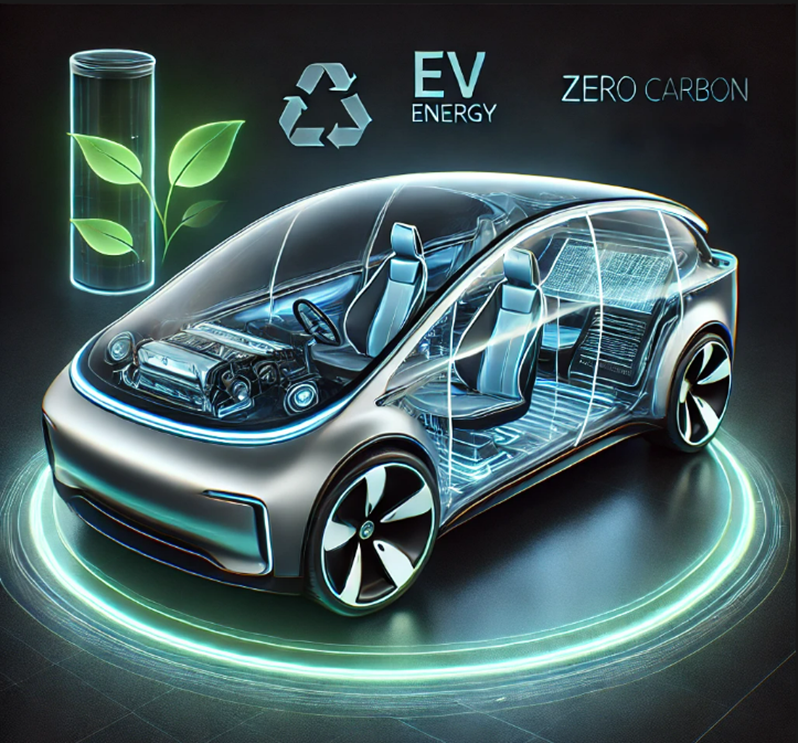
Green for a brighter tomorrow
The UK automotive industry has a rich history, drives innovation, supports net-zero goals, and fosters economic growth. According to Bloomberg’s 2024 report, the UK ranks among the top 20 countries globally for electric vehicle growth and adoption rates.
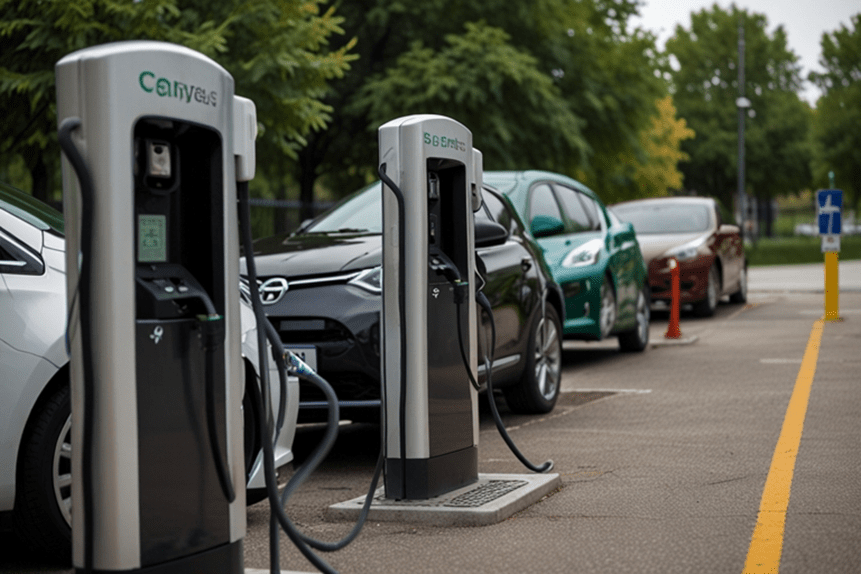
In 2024, the UK saw a 47% growth in EV charging points to 64,632. Tata plans a £4 billion gigafactory in Somerset. Meanwhile, Automotive Energy Supply Corporation’s (AESC) second gigafactory in Sunderland, partnering with Nissan, aims to enhance the UK’s battery manufacturing capacity. This effort supports sustained growth.
Background of Advanced Propulsion Centre (APC)
APC is a UK non-profit organization. It funds net-zero emission tech projects, focusing on automotive innovation. The organization aids companies with funding and skills to accelerate market delivery.
Ian Constance, the CEO, drives APC’s dedication to boosting the UK automotive field towards sustainability. APC works with the UK government to enhance green vehicle manufacturing. They aim for most new vehicles to be zero emissions by 2035.

Ian Constance, CEO of APC, emphasized the importance of collaboration between companies, academia, and small businesses. He stated, “The benefits of working in a collaborative environment that includes academic institutions and small companies, go far beyond the financial support offered, and I look forward to seeing the results of these projects in a few years’ time.”
Project Overviews:
a) Led by Sarginsons Industries, the Performance Integrated Vehicle Optimization Technology (PIVOT) project convenes prominent collaborators, including Altair, Brunel University (London), Aston Martin, and GESCRAP, a leading authority in metal recycling. The PIVOT initiative, backed by UK Government and APC, aims to change vehicle manufacturing with recycled materials and artificial intelligence, cutting carbon emissions by up to 95%. The estimated project cost is £5.8 million, APC bearing 50% of the same.
b) Microchip Technology in Caldicot, Wales led the HexaGaN project for the development of high-efficiency, high-power density power modules utilizing GaN (Gallium Nitride) and SiC (Silicon Carbide) technologies for integration into multiphase embedded inverters intended for use in electric vehicles. The project aims to develop affordable power modules for electric vehicles, cutting costs and boosting efficiency. This effort will widen consumer access, with a budget of £5 million, half from UK government sponsorship, via APC.
c) Sustainable Composite for Automotive and Low-Emission (SCALE-UP) project led by Jaguar Land Rover (JLR) aims to transform the automotive industry through advanced solutions for sustainable mobility, focusing on electrification, autonomous driving, and advanced manufacturing. The project aims to enhance EV platforms, autonomous driving, and manufacturing. £6.3 million is the estimated cost, with a £3.1 million grant from APC. It is to be noted that JLR has invested £500 million into creating EV factory in Merseyside.
d) Project E-Steel represents Ford’s strategic initiative to concentrate on the development, piloting, and industrialization of EV sheet metal, stamping, and lamination. Project E-Steel aims to enhance Ford’s EV manufacturing through optimized production, cost reduction, and scalable operations for increased demand. The project cost is estimated at £8.4 million.
Four new projects have received grants from the Department for Business and Trade and are aiming for zero carbon emissions by 2035.
European Metal Recycling (Project ‘ReCircAl’)
The “ReCircAl” project addresses the increasing need for sustainable aluminum in the automotive industry, particularly in electric vehicle (EV) production. The project, costing £6.9 million with a £3.4 million government grant, implements a closed-loop recycling system aligning with the UK’s net-zero emissions goal.
Gordon Murray Group (Project ‘M-LightEn’)
The “M-LightEn” project aims to develop a lightweight and energy-efficient electric vehicle solution for the UK market. This aligns with the country’s zero-emission transportation goals. The £11 million funding (includes grant of £5.4 million from UK Government) will allow GMG Group to use its expertise in lightweight vehicle design. They aim to create an affordable EV choice for consumers.
Protean Electric (Project ‘Pulse’)
The ‘PULSE’ project, supported by a grant of £5.5 million from APC aims to develop and commercialize cutting-edge electric vehicle (EV) power electronics technologies. The goal is to manufacture components, rely on domestic EV supply chain.
Cummins (Project ‘Unity’)
Cummins is leading Project ‘Unity’, a £5 million (including a Government grant of £2.5 million ) initiative to optimize materials for hydrogen powertrain products using digital analysis. The goal is to innovate automotive sector to position UK as propulsion tech leader.
Conclusion
The projects above will advance sustainable automotive manufacturing. They focus on lightweight materials and advanced power electronics. These efforts support net-zero goals, create jobs, and strengthen the local supply chain. The initiatives will shape the future of zero-emission vehicles, aligning with the green industrial strategy.
 Joydeep Express
Leave a comment